
Getting Started with Bachata in Dublin
Everything beginners need to know about Dublin's bachata scene — where to find lessons, what to expect, and how to find your first social dance.
More than just dancing — we explore why social dance events are so good for making genuine connections and building a real community with people who share your interests.
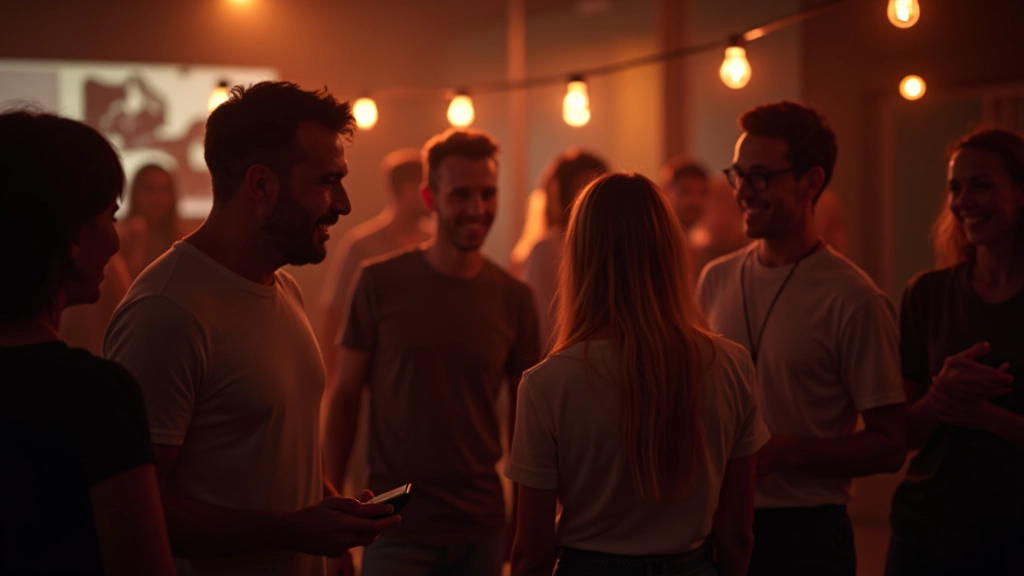
You walk into a dance studio on a Thursday evening. The music's already playing, people are chatting by the side, and there's this energy that's somehow both relaxed and exciting. That's the real magic of social dance gatherings — they're not about perfection or showing off. They're about connection.
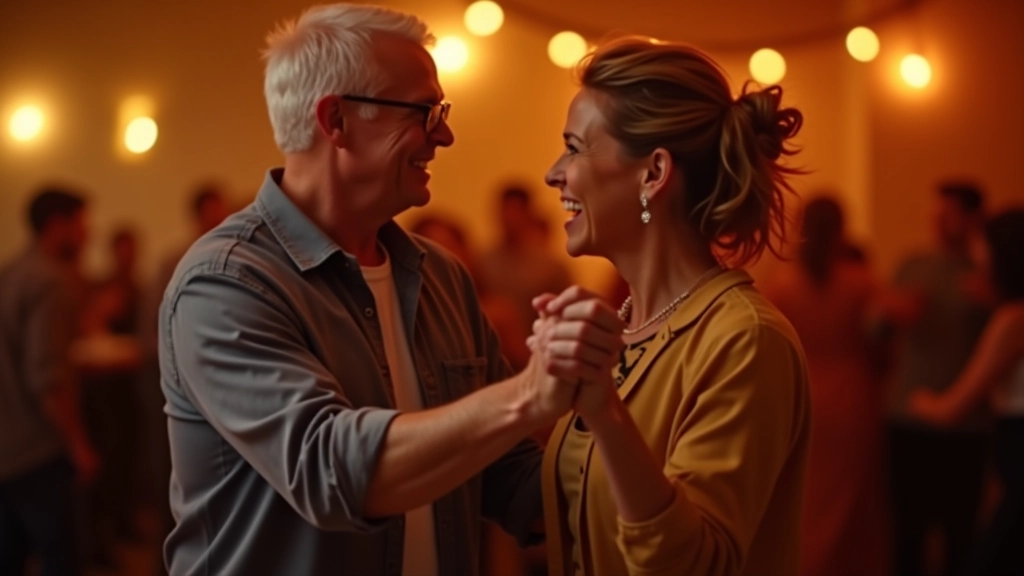
We've watched countless adults discover that dance floors are one of the best places to build genuine friendships. Not because everyone's suddenly best friends (though sometimes they do become that), but because dancing together creates something special. You're vulnerable. You're learning. You're laughing when things go wrong. That combination builds real bonds.
Think about how most social situations work. You sit across from someone, you talk, maybe there's awkward silence. Dancing removes all that. You're both focused on the music, on the steps, on each other's movement. There's a natural rhythm to conversation because you're already in sync physically.
It's honest too. You can't really fake it on a dance floor. If you're nervous, everyone feels it. If you're having fun, that comes across immediately. This authenticity is what breaks down the walls people normally keep up. You meet someone as they actually are, not as they're trying to appear.
Plus there's the shared experience of improvement. You both start rough. You both learn the same steps. When one person nails a turn they've been struggling with, the other person celebrates because they know exactly how hard that was. These moments of genuine celebration create friendships that stick.
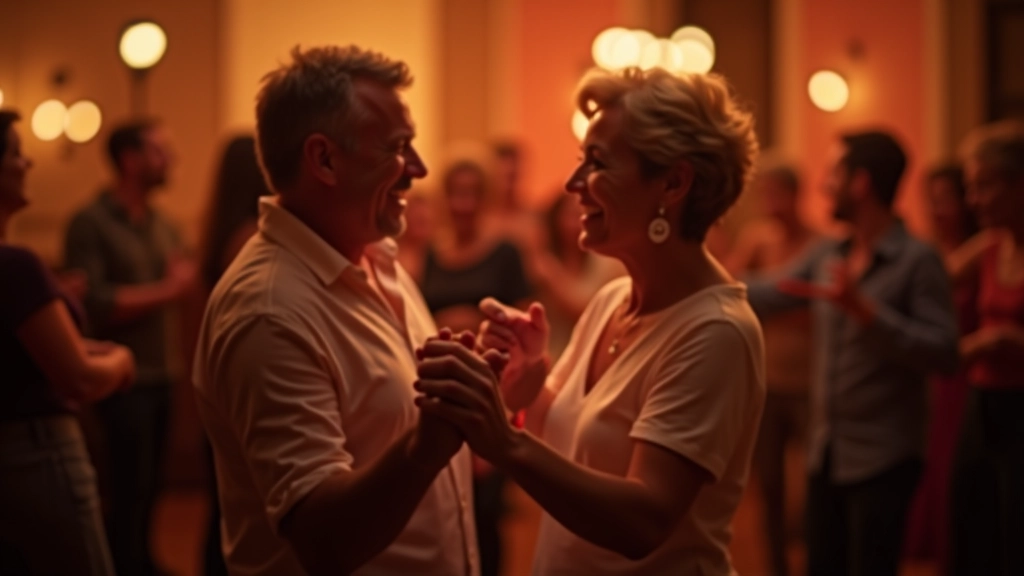
The communities that form around social dance aren't accidental. They're built intentionally by organizers who understand what creates belonging. It starts with consistency. You see the same faces each week, which means you naturally start remembering names, learning people's stories, noticing when someone's struggling or having a breakthrough.
Good dance communities also have structure. There's usually a beginner group, an intermediate group, maybe an advanced group. This means you're not intimidated by watching people who've been dancing for years — you're learning alongside people at your level. And as you progress, you naturally move into the next group, which means new friendships, new challenges, new growth.
Social time matters just as much as dance time. The 15 minutes before class starts, the 20 minutes after — that's where real conversations happen. People chat about their week, share why they started dancing, talk about what they're struggling with. These conversations are what transform a class into a community.

Here's something people don't always realize: dancing with someone is intimate. Not in a romantic way necessarily — though that happens sometimes — but in the sense that you're literally in each other's space, responding to each other's movement. You're reading each other's body language. You're trusting each other to lead or follow properly.
This creates a foundation for real friendship. You've already been vulnerable together. You've already had to communicate without words. When someone's struggling with a step, you don't just explain it verbally — you show them. You feel their tension and adjust. You celebrate their progress because you were there when they couldn't do it.
And then friendships naturally extend beyond the dance floor. You grab coffee after class. You go to the pub on Saturday nights. You start attending other dance events together. The dance community becomes your social circle because you've already built real trust and genuine connection.
If you're thinking about joining a social dance gathering, here's what actually matters. First — show up. Not just once. Commit to at least 4-6 sessions before you decide if it's for you. Real friendships don't form in one night. They build gradually as you see the same people, learn their names, start having conversations that go beyond "did you get that step?"
Second — be genuinely interested in other people. Ask someone about themselves. Notice when someone's been absent and welcome them back. Offer to help if you see someone struggling. These small acts of attention are what transform a class into a real community.
Third — go to the social events. If there's a Friday night dance social, a group dinner, a weekend workshop, go. These are where friendships deepen. You'll see people in different contexts. You'll laugh more. You'll create shared memories that bond you together beyond just learning steps.
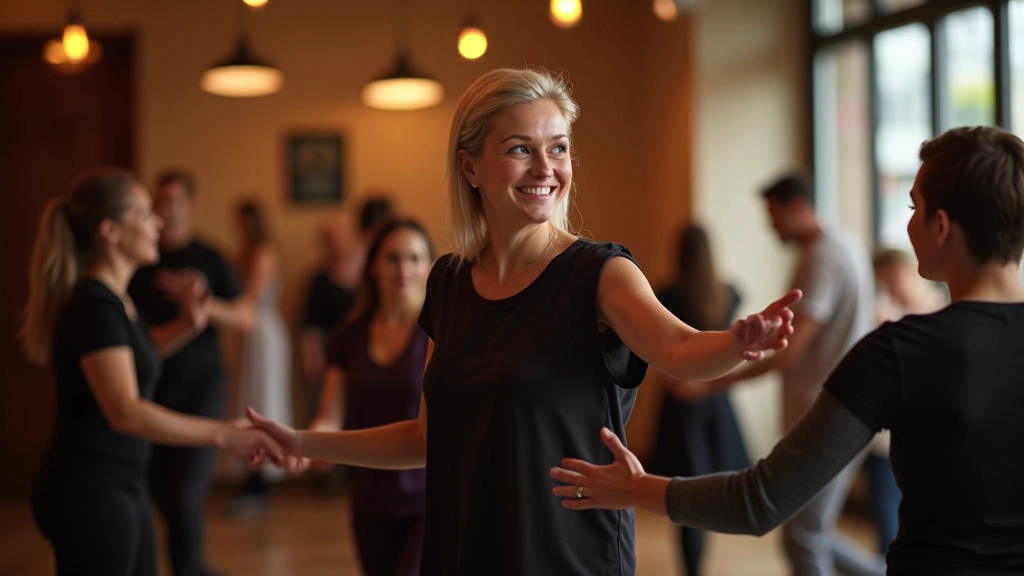
Everything beginners need to know about Dublin's bachata scene — where to find lessons, what to expect, and how to find your first social dance.

A practical guide to Cork's salsa community. We've covered the best venues, regular meetups, and how to get involved.
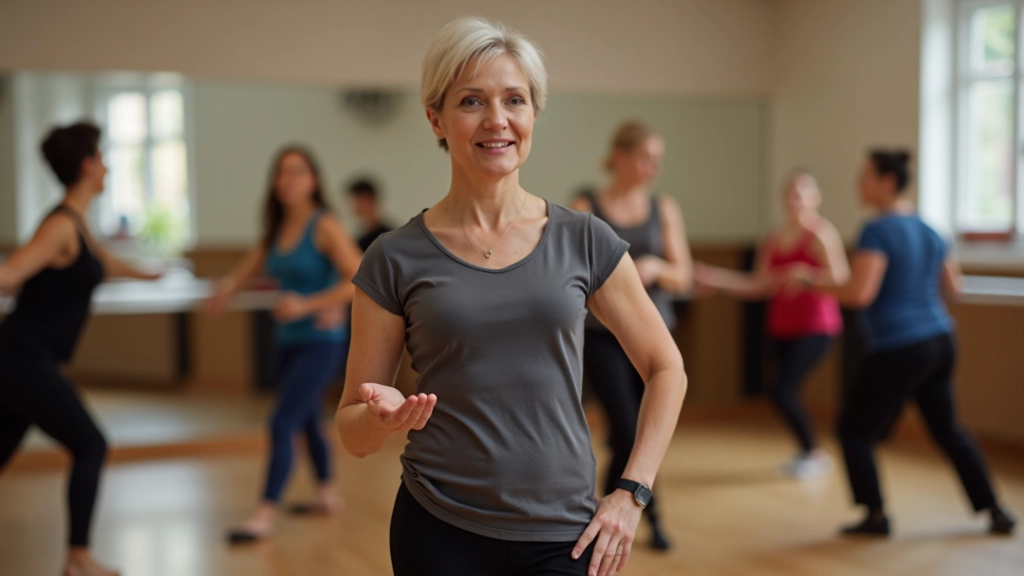
We've gathered information on beginner-friendly classes in major cities. You'll find what's available and how to get started.
Social dance gatherings aren't just classes where you learn steps. They're spaces where adults can be authentic, vulnerable, and genuinely connected with people who understand what they're going through. You're all learning. You're all improving. You're all showing up week after week to be part of something bigger than yourself.
The friendships that form in dance communities often surprise people. You came for the dancing. You stayed for the people. And years later, you realize some of your closest friends are the ones you met on that dance floor, learning bachata or salsa or whatever brought you there in the first place.
If you've been thinking about trying a social dance gathering, don't wait. The best time to join a community is when you decide that connection matters more than being perfect. That's when the real friendships start.
This article is provided for educational and informational purposes only. The experiences, recommendations, and observations shared are based on general knowledge about social dance communities in Ireland. Individual experiences with dance events and community building may vary based on specific locations, instructors, and personal circumstances. We encourage you to research local dance venues and instructors to find options that suit your needs and comfort level. Always prioritize your safety and well-being when participating in any physical activity.