
Educational Guide
Beginner Dance Classes Across Ireland
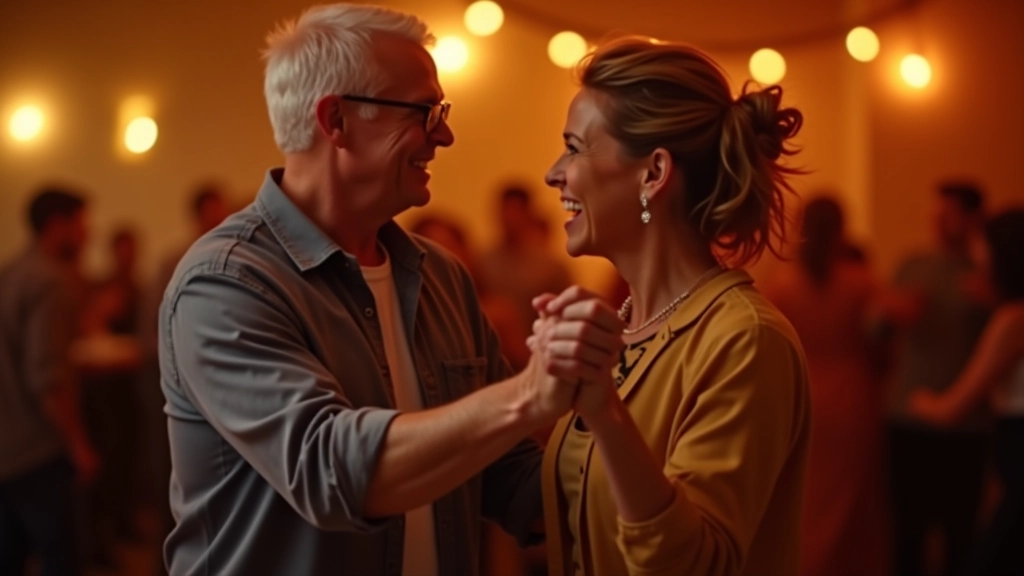
A practical look at where to start learning social dance — what classes offer, how they're structured, and why they work for adults 45+.
Starting Out Doesn't Have to Be Intimidating
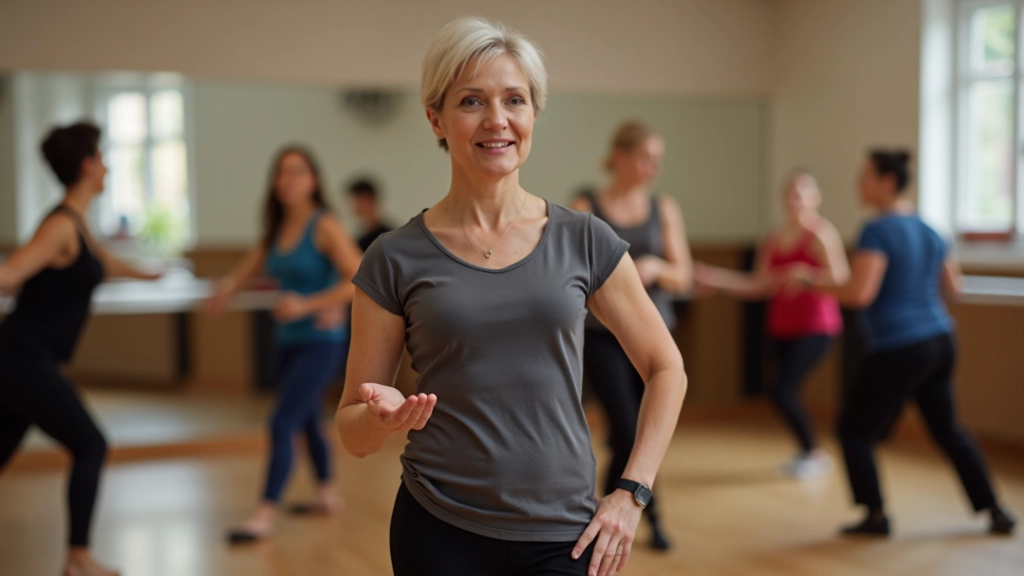
Walking into a dance class for the first time — especially if you haven't danced in years or never have at all — takes courage. But here's what we've found: the right class makes all the difference. We've looked at what's available across Ireland's major cities, talked to instructors, and gathered real feedback from people who've actually started learning. The classes that work best for beginners aren't about being fancy or strict. They're about teaching the basics clearly, making sure everyone feels welcome, and not rushing into anything complicated.
Whether you're interested in salsa, bachata, or general social dance, most cities have options designed specifically for people starting out. We've covered what to expect, how classes are typically structured, and what makes certain instructors particularly good with beginners.

What Beginner Classes Actually Include
Most beginner classes in Ireland run for 60 to 90 minutes. They're not all identical — that's actually the good part. Here's what typically happens:
1
Warm-up and Foundation Steps
You'll start with basic footwork and body movement. Nothing flashy — just getting comfortable with rhythm, balance, and how your body responds to music. Most instructors spend 15-20 minutes here.
2
Core Technique
The middle section focuses on the specific dance style — whether that's salsa basic step, bachata turn, or social dance fundamentals. You'll learn one or two key movements in detail.
3
Practice and Partnership
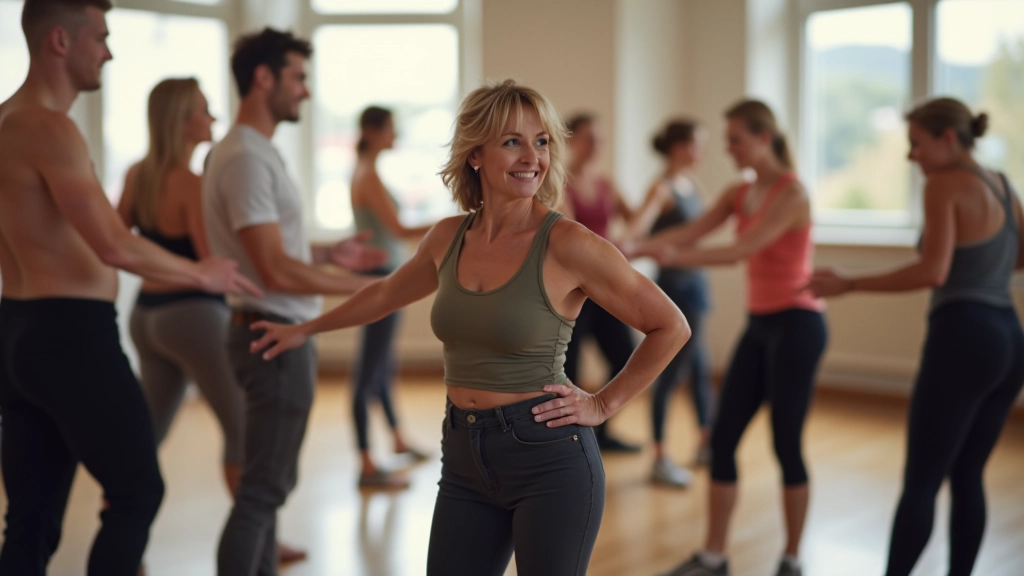
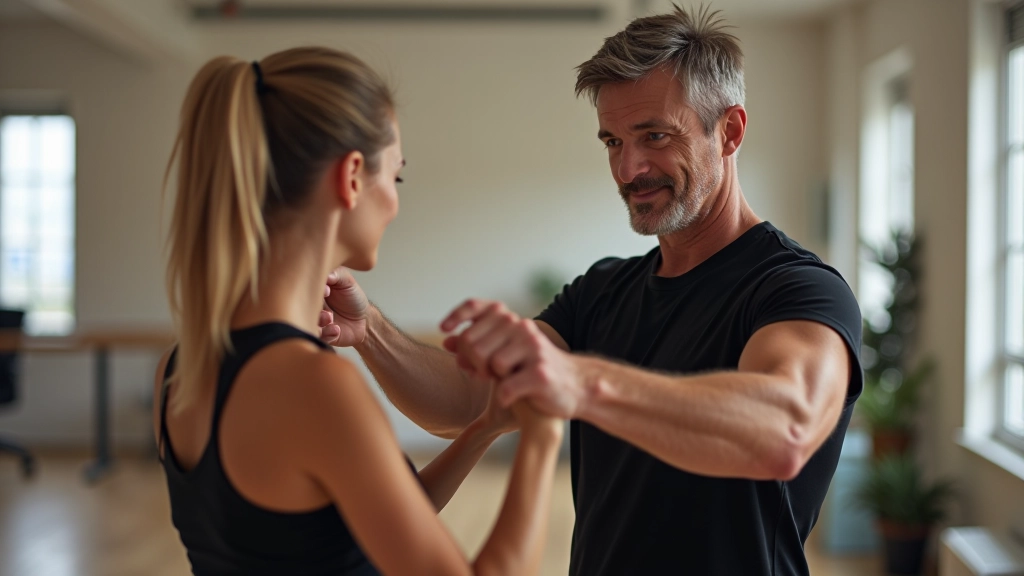
Most classes involve working with a partner for at least part of the session. Don't worry if you don't have one — instructors rotate people or partner with students themselves.
Why Beginner Classes Work for Adults
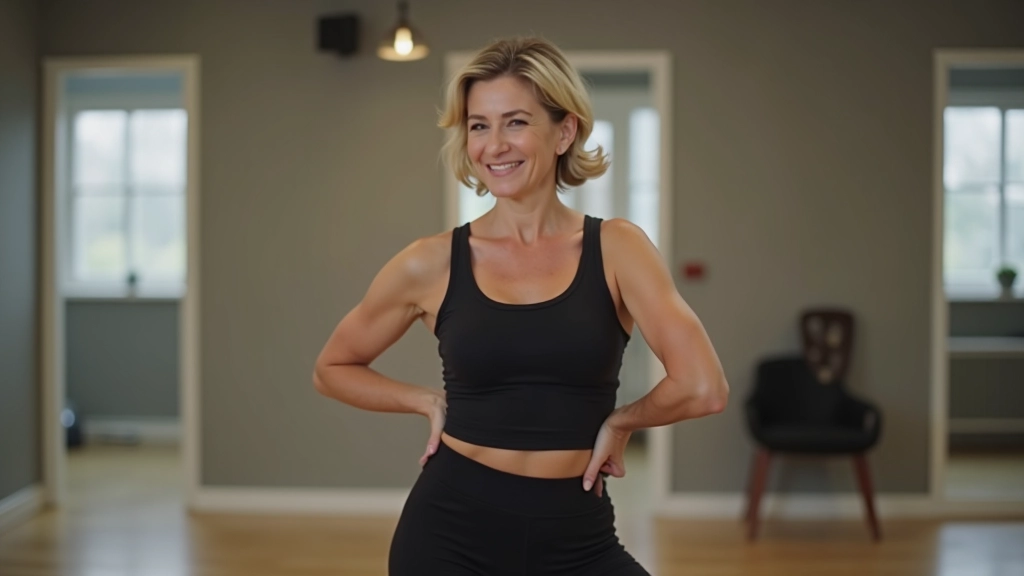
You might think learning to dance as an adult is harder than starting young. That's not really true — it's just different. Adults bring something kids don't: focus, body awareness, and patience with themselves. Most beginner classes are designed with this in mind.
Good instructors don't treat adults like they're behind. They understand that if you're 45 or 55 or 65, you've got decades of life experience but zero dance experience — and that's completely fine. The classes move at a pace where you can actually absorb what you're learning. There's no pressure to look a certain way or move a certain speed. It's just about learning the steps, understanding the rhythm, and having fun doing it.
Classes also create natural friendships. You're learning alongside people at the same level, often facing similar nerves and excitement. By week three or four, you'll recognize faces, exchange phone numbers, and genuinely want to come back.


Class Structure Varies by Style and Location
Dublin, Cork, Galway, and Limerick all have beginner-focused classes. The structure's pretty consistent, but there are differences worth knowing about.
Salsa Classes
Usually 90 minutes. Start with footwork and basic box step. Spend about 40 minutes on technique, then 30-40 minutes on partnering. Often rotate partners to get comfortable with different people.
Bachata Classes
Typically 60-75 minutes. Focus on the basic side step and close connection. These classes emphasize feel and musicality more than salsa. Good for people who want something a bit slower and more intimate.
Social Dance Mix
60-90 minutes covering multiple styles. You might learn waltz basics, quickstep, or contemporary social dance. Good option if you want to try different styles before committing to one.
What Makes a Good Beginner Instructor
Not every dance teacher is equally good with beginners. The ones who shine have a few things in common. First, they remember what it feels like to start. They don't assume everyone knows terms like "frame" or "lead and follow." They explain things clearly and show the movement multiple times from different angles.
Good beginner instructors also create an environment where mistakes aren't embarrassing. They might joke about their own early attempts, or they'll stop and re-teach something without making anyone feel singled out. You'll often hear them say things like "Let's all try that again" instead of correcting one person publicly.
They're also patient with pace. A good class doesn't rush through steps just to cover material. They're happy to spend extra time on something if they notice confusion. And crucially, they know how to work with partners of different abilities — you won't get stuck with someone far ahead and feel left behind.
Practical Things to Know Before You Start
Shoes
You don't need special dance shoes to start. Smooth-soled shoes (leather or suede on the bottom) help you pivot. Some people wear trainers to begin with — it's fine. Avoid anything with rubber grips that catch the floor.
Going Solo
You absolutely don't need a partner. Most beginner classes have a mix of people with and without partners. Instructors rotate people around regularly. You'll dance with different people each week.
Fitness Level
Dancing's good exercise, but beginner classes aren't intense. You won't be gasping for breath. If you can walk comfortably for 30 minutes, you're fine. The pace builds gradually.
Commitment
Most classes run in 6 or 8-week blocks, though some accept drop-ins. Going consistently matters more than being perfect. You'll notice real progress by week 4 or 5.
Community
Classes create real friendships. People stick around, chat before and after, sometimes grab coffee together. It's one of the best parts of learning to dance.
Don't Overthink It
The biggest barrier is deciding to show up. Everyone in a beginner class was nervous the first time. You'll walk out after your first session thinking "I can't believe I actually did that."
Getting Started Is the Hardest Part
The reality is that beginner dance classes across Ireland are designed for people exactly like you — adults who've never danced before, or haven't in decades. They're structured to teach you step by step. The instructors understand adult learners. The classes move at a pace that makes sense.
What actually happens in most beginner classes is less intimidating than the idea of them. You'll spend time learning basics, working with a partner in a supportive environment, and gradually building confidence. By the time you've attended 6 or 8 weeks, you'll have learned real technique, made friends, and discovered that dancing is genuinely enjoyable.
Dublin, Cork, Galway, and Limerick all have options. Different styles, different schedules, different instructors. But they're all working toward the same thing: giving you a real foundation in dance, in a place where it's completely normal to be a beginner.
Information Disclaimer
This article is for educational and informational purposes only. It's based on research into dance class structures, instructor practices, and community feedback. Class offerings, schedules, instructors, and availability change frequently across Ireland. We've aimed to describe what's typical, but specific details may vary.
Before enrolling in any class, we recommend contacting instructors directly to confirm current schedules, pricing, and what the class includes. Individual circumstances vary — if you have health concerns or physical limitations, discuss them with your instructor before starting.
The information here reflects the situation as of April 2026 and is subject to change. We're not affiliated with any specific dance studios or instructors mentioned, and we don't receive compensation from class providers.